

Support for children with learning, focus, behaviour and emotional regulation challenges
We help families understand what’s really behind challenges like anxiety, poor concentration, underachievement and coordination difficulties, using a personalised neuro-developmental approach in Solihull and across the West Midlands.
No obligation. A chance to talk through your concerns, ask questions and find out whether this approach could help your child.
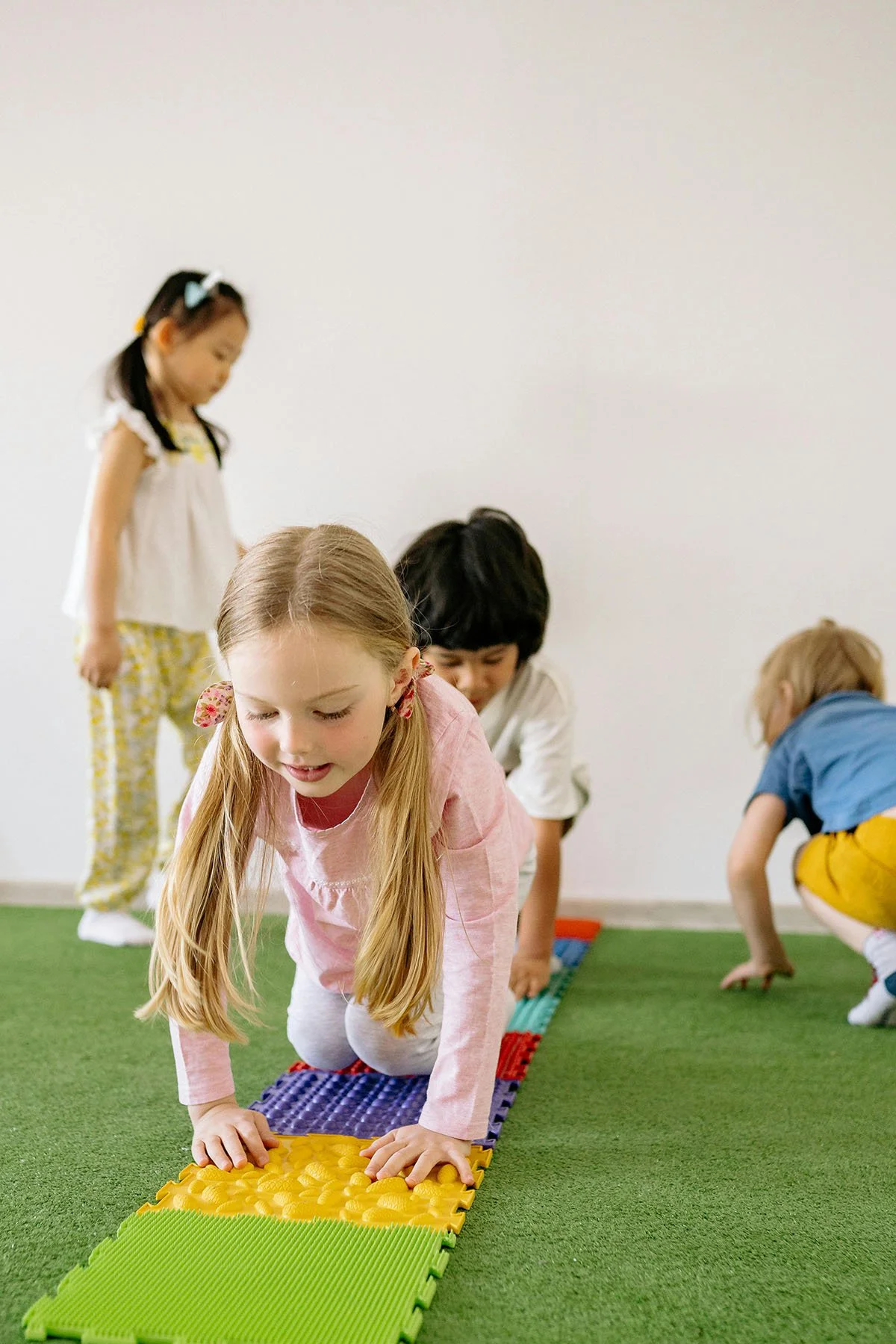
Are you noticing any of the following in your child?
struggles to focus or stay on task
easily distracted or daydreaming
anxious, overwhelmed or lacking confidence
emotional outbursts, meltdowns or difficulty regulating emotions
finds reading, writing or processing information difficult
intelligent, but underachieving or not showing their potential
poor handwriting or difficulty with fine motor skills
struggles to follow instructions or complete tasks
clumsy, uncoordinated or has poor balance
difficulty sitting still or fidgeting constantly
poor sleep or frequently tired during the day
sensitive to noise, light, touch or busy environments
toe walking or unusual movement patterns
struggles to make or maintain friendships
appears immature compared to peers
avoids certain activities or finds everyday tasks unusually difficult
school has raised concerns, but you’re not seeing the same at home
or you simply feel that something isn’t quite right, but can’t put your finger on it
If you’ve recognised one or more of these in your child, you’re not alone. Many families come to me feeling unsure about what’s going on or where to turn next. Often, there is more going on beneath the surface than it first appears.
My role is to help you understand what may be contributing to these difficulties, and what can be done to support your child more effectively.
There may be more going on beneath the surface…
Children who struggle with focus, learning, coordination or emotional regulation are not being difficult, lazy or inattentive.
In many cases, there may be underlying developmental factors affecting how their body and nervous system are functioning. These can influence everything from movement and balance to attention, behaviour and emotional responses.
Because these difficulties are not always obvious, they can often be misunderstood or missed altogether.
Looking a little deeper can help explain why certain things feel harder for your child than they should be, and what can be done to support them.
Many of the children I work with may already have a diagnosis such as dyslexia, dyspraxia (DCD), ADHD or autism, or parents may be starting to wonder if one of these could apply.
My work focuses on understanding what may be contributing to the difficulties you’re seeing, whether that’s affecting learning, behaviour, emotional wellbeing, sleep, coordination or confidence. By looking at how the nervous system has developed, it becomes possible to identify underlying factors that may be making things harder than they should be, and support your child in a more targeted and effective way.
I also work with adults who may recognise similar challenges in themselves and are looking to better understand and support their own development.
This is where a neurodevelopmental approach can be helpful.
By looking at the foundations of movement, coordination and regulation, it is possible to support the nervous system in a way that helps everyday tasks feel easier, more automatic and less effortful over time.
How I can help.

I’m Taqua and I work with children and adults who are struggling with learning, focus, behaviour and emotional regulation, helping families understand what may be contributing to these challenges and how they can be supported.
My aim is to make everyday tasks feel easier for your child, so they can learn, move and respond more naturally, without everything feeling like a constant effort.
My work uses a neurodevelopmental approach, which looks at how the body and nervous system have developed over time. By supporting the foundations of movement, coordination and regulation, it is possible to help the nervous system mature more effectively.
This can improve things like attention, behaviour, coordination, confidence and emotional wellbeing.
Improved focus
Better emotional regulation
Increased confidence
Over time, children often become calmer, more focused and more confident in themselves. Tasks that once felt difficult or overwhelming can begin to feel more automatic and manageable.
Every child is different, which is why the approach is tailored to your child’s individual needs.
You don’t need a diagnosis to get started, and equally, if your child already has one, this approach can still be helpful alongside it.
You also don’t need to know what type of therapy your child needs. That is something we work through together, based on your child’s specific difficulties and profile.
Charting a path of hope,
independence, and growth
A non-invasive, drug-free approach to supporting development
The approach I use is gentle, non-invasive and drug-free, designed to support your child’s development in a natural and structured way.
Rather than focusing only on symptoms, this work looks at how the nervous system is functioning; particularly the early reflexes that form the foundation for balance, coordination, learning and emotional regulation.
If these building blocks haven’t fully developed, everyday tasks can feel harder than they should.
By supporting the nervous system to mature more effectively over time, children can begin to feel more settled in their bodies, more able to focus, and more confident in themselves.
You don’t need to understand the different therapies before getting started (but you can find out more here if you want to have a look). That’s something we work through together, based on your child’s individual needs.
This approach can support:
focus and attention
coordination and balance
emotional regulation
confidence and independence
Introducing the therapies…
-

INPP Neuro-Developmental Therapy
A personalised programme of targeted movements designed to help integrate retained primitive reflexes. This supports improvements in balance, coordination, attention and emotional regulation, helping everyday tasks feel easier and more automatic.
-

JIAS Sound Therapy
A listening programme that supports how the brain processes sound (auditory processing). This can help with attention, language, understanding and the ability to follow instructions.
-

Bi-lateral integration
Activities that support coordination between both sides of the body. This helps improve balance, posture, movement and the ability to carry out tasks that require control and organisation.
Take the first step…
-

Book a free 30-minute call
A chance to talk through your concerns, understand what might be going on for your child, and see whether this approach feels right for you.
-

Prefer to write first? Send a message
You can send a short enquiry outlining your concerns, and I’ll get back to you personally to guide you on next steps.
You don’t need to have all the answers before getting in touch. The first step is simply a conversation, with no pressure or obligation.
We’ve seen a real improvement in how our son manages his feelings and emotions. He’s calmer, more confident, and working hard at school - we’re incredibly proud of his progress.
We’ve noticed a big difference in his reading, he no longer skips words like he used to. It’s been amazing to see that kind of progress.
Since starting the programme, we’ve seen improvements in his confidence, coordination, writing and emotional regulation. The difference over time has been incredible.